
Final Drive Motor Running Hot Causes Symptoms and Maintenance Solutions
Final drive motors are built to handle extreme working conditions, but heat is always a warning sign that something inside the system is not operating correctly.
INDUSTRY NEWS
6/1/20262 min read
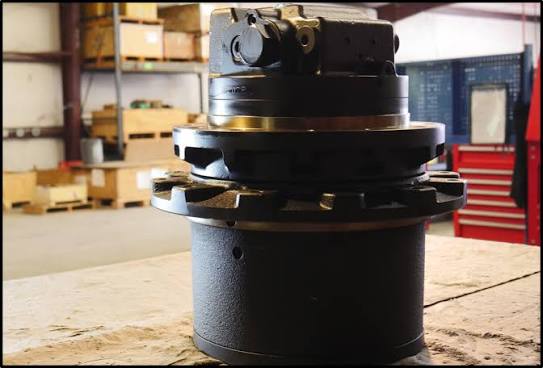
Final drive motors are built to handle extreme working conditions, but heat is always a warning sign that something inside the system is not operating correctly. When temperature starts rising, it is rarely random. It usually points to friction, pressure imbalance, or system stress building up inside the drive.
One of the most common causes is low or degraded gear oil. Final drives rely on oil not only for lubrication but also for cooling and debris removal. When oil level drops or contamination appears, internal friction increases quickly. This leads to heat buildup and accelerated wear on gears and bearings. Once temperature exceeds safe limits, oil begins to break down and loses its protective function, which speeds up failure even more.
Another frequent issue is restricted case drain flow. The case drain is responsible for releasing internal pressure and maintaining smooth oil circulation. When this line becomes blocked or restricted, pressure builds up inside the motor housing. That pressure turns into heat and can eventually damage seals and internal components. Many technicians find that seemingly “bad motors” are actually suffering from external flow problems rather than internal failure.
Track tension is another factor that is often overlooked. When tracks are too tight, the final drive must work harder to move the machine. This creates constant resistance and forces the motor to operate under higher load than necessary. The result is continuous heat generation, even during normal travel. Over time, this extra load also increases wear on rollers, sprockets, and bearings, creating a chain reaction of mechanical stress.
Hydraulic system imbalance can also contribute to overheating. If flow or pressure is not within design range, the motor may experience cavitation or excessive load conditions. Cavitation creates micro-bubbles that collapse inside the system, producing heat and damaging internal surfaces. On the other hand, excessive pressure increases internal resistance and accelerates temperature rise. Both conditions reduce efficiency and shorten component life.
Internal wear is another critical factor. As gears, splines, and bearings wear down, metal particles circulate in the oil. This increases friction and creates a cycle of rising heat and accelerated damage. At this stage, overheating becomes a symptom of deeper mechanical degradation rather than an external issue.
In real-world applications, operators often notice early signs before failure occurs. Slower travel speed, unusual noise, weak torque, or inconsistent movement usually appear before full breakdown. Ignoring these signs often leads to complete final drive failure, which results in expensive downtime and emergency replacement costs.
The key message is simple. Heat is not just a byproduct of operation. It is a signal. It tells you where the system is under stress, whether from lubrication issues, hydraulic imbalance, or mechanical wear. Identifying the root cause early can significantly extend equipment life and reduce operating costs.
Final drive systems are the core of machine mobility. When they run correctly, equipment performs smoothly and efficiently. When they overheat, they are warning you that something in the system needs attention.
If your equipment is showing signs of overheating or performance loss, early inspection and proper diagnosis can prevent serious damage and costly downtime.
GHS Motors
Focus on aftermarket travel motors and swing motors of construction machinery.
Get a quick quote
Customer service
© 2024. All rights reserved.
Powered by GlobalHydraulicSystem.com
Asset of Quanzhou Fulian Machinery Equipment Manufacturing Co., Ltd.
Order direct talk