
How Bad Hydraulic Fluid Damages Excavators and Increases Repair Costs
Hydraulic systems are often treated as reliable and low-maintenance, but the truth is very different. Hydraulic fluid is the core of every movement in an excavator or compact machine.
INDUSTRY NEWS
6/8/20262 min read
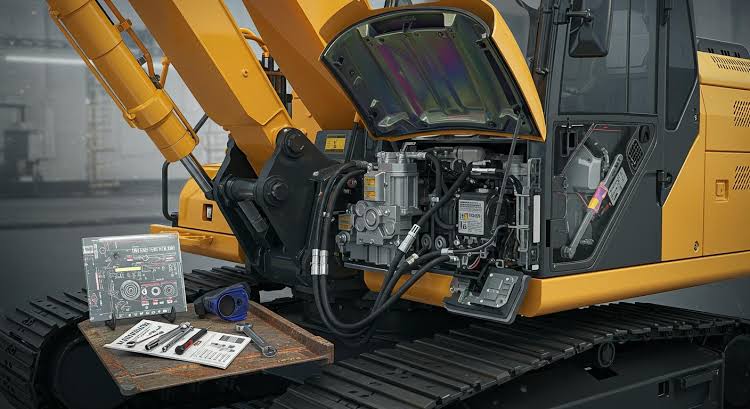
Hydraulic systems are often treated as reliable and low-maintenance, but the truth is very different. Hydraulic fluid is the core of every movement in an excavator or compact machine. When it becomes contaminated, degraded, or neglected, the damage is slow but continuous. Many operators only notice the problem when performance drops or components start failing.
Bad hydraulic fluid does not cause instant breakdown. It works quietly in the background. Heat increases. Lubrication weakens. Internal friction rises. Over time, this leads to serious wear across pumps, valves, and final drive motors. What looks like a simple fluid issue often turns into a full system failure. ([Texas Final Drive][1])
One of the biggest hidden costs is accelerated wear on critical components. Hydraulic fluid is not only for power transmission. It also lubricates and cools the system. Once it breaks down, metal-to-metal contact increases inside the hydraulic circuit. This leads to scoring, seal damage, and reduced efficiency. Final drives and travel motors are especially sensitive because they rely on stable pressure and clean flow.
Contamination is one of the main killers. Dirt, metal particles, and water can enter through worn seals, poor maintenance, or storage conditions. These contaminants act like abrasive material circulating through the entire system. The result is micro-damage that slowly expands into major failures. Pumps lose efficiency. Valves stick. Travel motors become weak or inconsistent.
Another serious issue is varnish formation. When hydraulic oil overheats or oxidizes, it creates sticky deposits inside valves and tight-clearance components. This can cause control issues, delayed response, and even sudden locking of hydraulic functions. Operators often misinterpret this as a mechanical failure, but the root cause is poor fluid condition.
Water contamination is even more damaging. It reduces lubrication film strength and causes internal rust and pitting. Bearings and gears inside final drives suffer the most. Once corrosion begins, failure becomes unavoidable without full replacement or rebuild.
Abrasive particles behave like sandpaper inside the system. They continuously score internal surfaces, increasing internal leakage and reducing hydraulic efficiency. This leads to weaker travel power, slower movement, and higher fuel consumption. In severe cases, the damage spreads across multiple components at the same time, multiplying repair costs.
The real financial impact is not only the fluid itself. It includes pump repairs, final drive replacements, system flushing, downtime, and lost productivity. In many cases, machines stop working during critical project phases, causing delays that cost far more than the repair itself.
Preventing these issues is straightforward but often ignored. Regular oil sampling, filter replacement, and using high-quality hydraulic fluid make a significant difference. Keeping case drain lines clean and sealing systems intact also helps extend component life.
In heavy equipment operations, hydraulic fluid condition directly controls machine lifespan. Clean fluid means smooth performance and stable power delivery. Poor fluid means rising heat, unstable pressure, and eventual system failure.
Understanding the true cost of bad hydraulic fluid is not just maintenance knowledge. It is a cost control strategy. Machines that run on clean hydraulic systems last longer, perform better, and generate higher uptime with lower repair risk.
GHS Motors
Focus on aftermarket travel motors and swing motors of construction machinery.
Get a quick quote
Customer service
© 2024. All rights reserved.
Powered by GlobalHydraulicSystem.com
Asset of Quanzhou Fulian Machinery Equipment Manufacturing Co., Ltd.
Order direct talk