
How Mini Excavator Final Drives Quietly Increase Operating Costs and How to Control Them
Mini excavators are widely used because they are flexible, compact, and efficient. But the travel system inside these machines often carries hidden costs that many operators overlook.
INDUSTRY NEWS
6/22/20262 min read
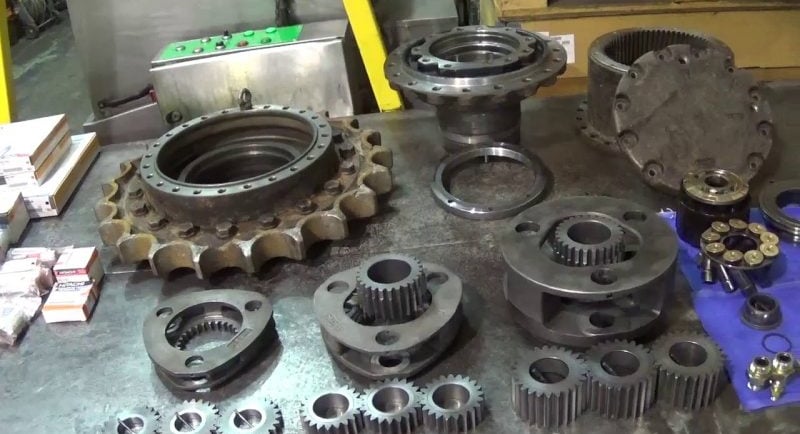
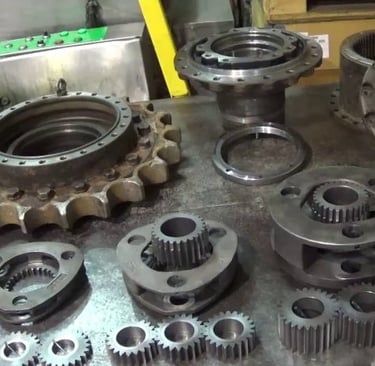
Mini excavators are widely used because they are flexible, compact, and efficient. But the travel system inside these machines often carries hidden costs that many operators overlook. The final drive is under constant load during movement, turning, and positioning. Small inefficiencies in this system slowly turn into higher fuel use, faster wear, and unexpected repair expenses.
One of the most common hidden cost sources is excessive travel resistance. When track tension is too tight or uneven, the final drive must generate more torque just to keep the machine moving. This increases hydraulic pressure demand and raises internal temperature. Over time, this leads to accelerated wear inside the motor and higher fuel consumption during every working cycle.
Internal leakage is another silent cost factor. As seals and internal components wear, a portion of hydraulic energy is lost inside the system. The machine still operates, but it requires more input to achieve the same movement. Operators often respond by increasing throttle or extending working time, which increases fuel use without improving productivity.
Hydraulic oil condition also plays a major role. Contaminated or degraded oil reduces lubrication quality and increases friction inside the final drive. Tiny particles circulate through gears and bearings, gradually damaging surfaces. This wear does not appear immediately, but once performance drops, repair costs are already high.
Maintenance timing is another factor that directly affects cost. When oil and filters are not replaced on schedule, system efficiency drops. Heat builds up more easily, and internal components operate under stress for longer periods. This shortens service life and increases the likelihood of sudden failure during operation.
Operating habits also influence final drive lifespan. Harsh turning, frequent direction changes, and unnecessary high-speed travel increase load stress. Mini excavators are designed for controlled precision work, not continuous aggressive movement. Over time, rough operation leads to premature wear in seals, gears, and bearings.
Hydraulic imbalance between left and right travel systems can also create uneven wear. When one side carries more load, it deteriorates faster than the other. This imbalance often results in one final drive failing earlier, which increases maintenance costs and downtime unexpectedly.
Reducing these hidden costs does not require complex changes. Proper track tension adjustment immediately reduces resistance and improves efficiency. Clean hydraulic oil and timely filter replacement help protect internal components. Monitoring noise, temperature, and case drain condition can help detect early signs of wear before failure occurs.
Operator awareness is equally important. Smooth acceleration, controlled turning, and avoiding unnecessary high-load travel can significantly extend final drive life. Small operational adjustments often lead to noticeable long-term savings in fuel and maintenance.
The final drive is not just a mechanical part. It is one of the key cost-driving components in a mini excavator. When maintained properly, it supports efficiency and reliability. When neglected, it quietly increases operating expenses over time.
If your equipment is showing signs of reduced travel performance or rising maintenance costs, early inspection of the final drive system can help prevent larger failures and unnecessary downtime.
GHS Motors
Focus on aftermarket travel motors and swing motors of construction machinery.
Get a quick quote
Customer service
© 2024. All rights reserved.
Powered by GlobalHydraulicSystem.com
Asset of Quanzhou Fulian Machinery Equipment Manufacturing Co., Ltd.
Order direct talk