
How to Properly Connect a Final Drive for Safe Installation and Reliable Excavator Performance
Installing a final drive is not just a mechanical task. It directly affects travel performance, machine safety, and long term durability. A correct connection ensures smooth movement. A poor installation leads to leakage, misalignment, or early failure.
INDUSTRY NEWS
3/22/20262 min read
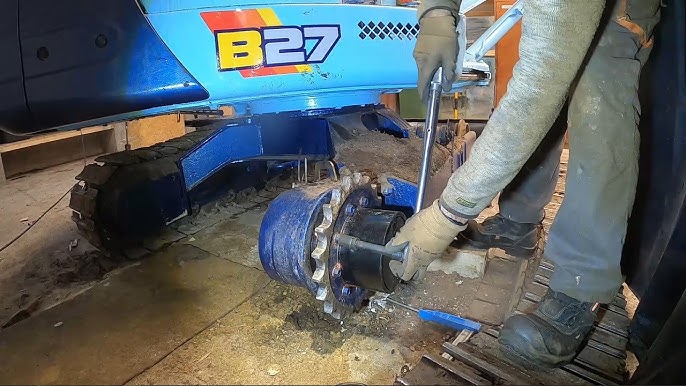
Installing a final drive is not just a mechanical task. It directly affects travel performance, machine safety, and long term durability. A correct connection ensures smooth movement. A poor installation leads to leakage, misalignment, or early failure. From an operator perspective, getting this step right saves time, cost, and stress.
Start with preparation. Clean working area. Remove dirt, grease, and debris from the mounting surface. A clean connection point prevents misalignment and ensures proper sealing. Check the new final drive before installation. Confirm model compatibility. Inspect splines, bolt holes, and sealing surfaces. Small mismatches create big problems later.
Positioning is critical. Use lifting equipment to align the final drive with the track frame. Avoid forcing the unit into place. Proper alignment between the drive motor shaft and the sprocket hub ensures smooth rotation. Misalignment causes vibration, uneven wear, and noise during operation.
Next step mounting bolts. Insert bolts evenly and tighten in a cross pattern. This distributes pressure across the mounting surface. Uneven tightening may cause gaps or distortion. Follow recommended torque specifications. Correct torque prevents loosening during operation and protects threads from damage.
Hydraulic connection comes next. Attach hydraulic hoses carefully. Ensure correct inlet and outlet ports. Tighten fittings securely but avoid over tightening. Damaged threads or loose connections lead to oil leakage. Before starting the machine, check all hose connections again. Safety first.
Electrical connections may be required for modern excavators. Sensors and monitoring systems depend on proper wiring. Secure connectors firmly. Protect cables from sharp edges and moving parts. Reliable signals ensure accurate machine control and diagnostics.
Oil filling is another key step. Add the correct type and volume of gear oil into the final drive. Proper lubrication protects gears and bearings during initial operation. Running a dry or underfilled final drive can cause immediate damage. Always confirm oil level before startup.
After installation, perform a test run. Start the machine at low speed. Observe movement. Listen for unusual noise. Check for oil leaks around seals and connections. Gradual testing allows early detection of installation issues. Avoid heavy load during the first operation period.
Regular follow up inspection is recommended. Recheck bolt tightness after initial working hours. Monitor oil condition and temperature. Early adjustments help maintain long term stability.
High quality final drives simplify installation and improve reliability. Precision machining ensures accurate fit. Strong sealing systems reduce leakage risk. Durable internal components support long service life. Reliable supply and technical support make maintenance easier for operators.
In conclusion, proper final drive connection requires careful preparation, accurate alignment, secure fastening, and correct hydraulic setup. Attention to detail during installation protects the entire travel system. If you need high quality final drives or replacement parts, send your machine model and request a quotation. Strong products and fast support help keep your excavator running efficiently.
GHS Motors
Focus on aftermarket travel motors and swing motors of construction machinery.
Get a quick quote
Customer service
© 2024. All rights reserved.
Powered by GlobalHydraulicSystem.com
Asset of Quanzhou Fulian Machinery Equipment Manufacturing Co., Ltd.
Order direct talk