
Hydraulic Fluid Contamination Is Silently Damaging Your Equipment
Hydraulic systems work hard every day. Excavators, loaders, bulldozers. Constant pressure. Continuous movement. But one hidden problem often gets ignored. Hydraulic fluid contamination.
INDUSTRY NEWS
3/29/20262 min read
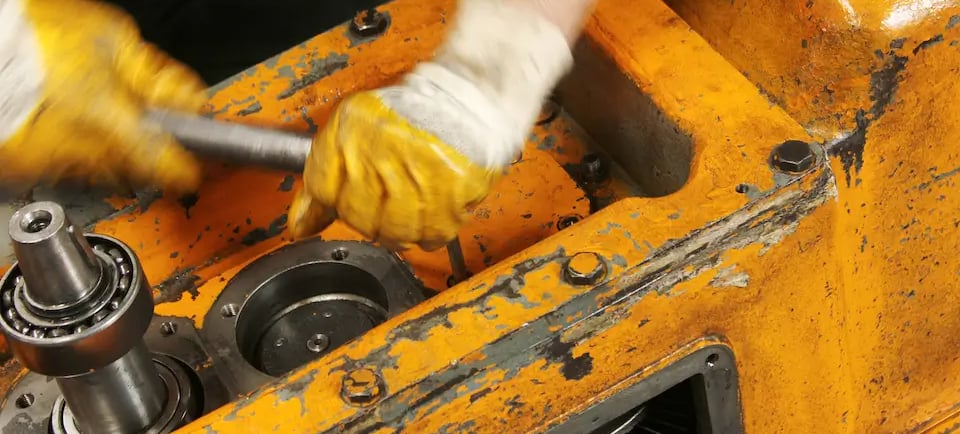
Hydraulic systems work hard every day. Excavators, loaders, bulldozers. Constant pressure. Continuous movement. But one hidden problem often gets ignored. Hydraulic fluid contamination. Small particles. Water. Air. They enter the system quietly. Damage starts early. Costs rise fast.
From a user perspective, the issue is simple. Machine feels slower. Response becomes weak. Components wear faster. Unexpected downtime appears. You lose time. You lose money. This is not rare. It happens on many job sites.
Contamination comes from several sources. Dirt during maintenance. Poor sealing. Low-quality filters. Worn components releasing metal particles. Even new hydraulic oil can carry impurities if not stored correctly. Water enters through condensation. Temperature changes make it worse. Air enters through loose connections. Each type creates different damage.
Solid particles are the most common threat. They scratch surfaces inside pumps and motors. They damage valves. Clearances become larger. Efficiency drops. Heat increases. Over time, major components fail. Travel motors, swing motors, hydraulic pumps. All at risk.
Water contamination is also critical. It reduces lubrication performance. It leads to corrosion. Rust forms inside key components. Seals degrade faster. Oil becomes cloudy. Performance becomes unstable. In cold environments, water can even freeze. This blocks flow. Causes sudden failure.
Air contamination creates cavitation. Bubbles form and collapse under pressure. This produces shock forces. Metal surfaces get pitted. Noise increases. System becomes less efficient. Long-term damage is unavoidable.
So how to control it. Start with simple actions. Use high-quality filters. Replace them on schedule. Check seals regularly. Avoid dust entry during maintenance. Store hydraulic oil in clean, dry conditions. Use proper filtration when filling oil. Monitor oil condition. Look for color change. Check for unusual smell. Regular oil analysis gives clear data.
From a business perspective, prevention is always cheaper than repair. A damaged hydraulic pump can cost thousands. Downtime delays projects. Customer satisfaction drops. Reliable parts and proper maintenance reduce these risks significantly.
This is where choosing the right supplier matters. High-quality hydraulic components. Precision manufacturing. Strict quality control. Stable performance under heavy load. Long service life. These are not just features. They are cost-saving factors. A strong supplier ensures consistency. Fast delivery. Technical support. This keeps your equipment running longer with less trouble.
If your machines are showing signs of slow response, overheating, or unusual noise, it may already be contamination. Acting early makes a big difference.
Hydraulic fluid contamination is not just a maintenance issue. It is a performance issue. A cost issue. A business issue.
Choose reliable parts. Maintain clean systems. Protect your investment.
Feel free to reach out if you need more details or have any questions!
GHS Motors
Focus on aftermarket travel motors and swing motors of construction machinery.
Get a quick quote
Customer service
© 2024. All rights reserved.
Powered by GlobalHydraulicSystem.com
Asset of Quanzhou Fulian Machinery Equipment Manufacturing Co., Ltd.
Order direct talk