
Optimizing Travel Motors for Maximum Hydraulic Efficiency and Minimal Energy Loss
In modern construction, every drop of energy counts. Travel motors face constant demand for power, precision, and reliability. Designers now prioritize hydraulic efficiency and reduced energy loss to deliver machines that perform longer, cost less, and operate more smoothly. For operators, efficient motors mean better control, less fuel consumption, and extended component life.
INDUSTRY NEWS
2/1/20262 min read
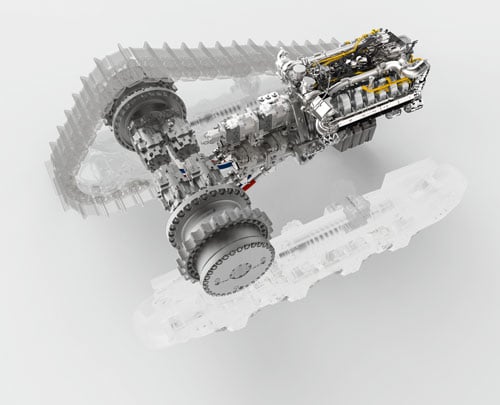
In modern construction, every drop of energy counts. Travel motors face constant demand for power, precision, and reliability. Designers now prioritize hydraulic efficiency and reduced energy loss to deliver machines that perform longer, cost less, and operate more smoothly. For operators, efficient motors mean better control, less fuel consumption, and extended component life.
Hydraulic efficiency begins with precise internal design. High-quality valves, seals, and flow channels reduce turbulence and internal leakage. Smooth fluid movement ensures the motor converts hydraulic power into motion with minimal loss. Less wasted energy means lower operating temperatures and reduced strain on bearings, gears, and seals. Components last longer, and maintenance intervals extend, saving time and cost.
Energy loss can also occur due to poorly optimized torque curves. Modern travel motor designs focus on matching hydraulic input with operational load. By providing consistent torque across varying speeds, motors avoid slippage and unnecessary resistance. Operators notice smoother starts, stops, and directional changes. Reduced vibration improves operator comfort and protects the undercarriage from premature wear.
Efficient travel motors also improve fuel economy. Less hydraulic energy lost to heat and friction means engines run at optimal efficiency. Projects with heavy workloads or continuous operation benefit most. Machines complete more work per liter of fuel. Businesses see measurable cost savings without compromising performance or reliability.
Maintenance strategies complement these design improvements. Monitoring oil quality, temperature, and pressure ensures motors perform as designed. Timely service prevents minor issues from becoming major failures. Coupled with hydraulic efficiency, this approach prolongs motor life and enhances machine uptime.
Selecting the right travel motor matters. Motors built for efficiency with precision components offer measurable advantages in performance, durability, and operating cost. Suppliers with technical expertise can guide buyers in choosing the correct motor for specific equipment and workloads. Investing in high-efficiency motors maximizes productivity while minimizing long-term expenses.
Conclusion: Hydraulic efficiency and reduced energy loss are essential priorities in modern travel motor design. Well-designed motors deliver smooth operation, longer component life, and lower fuel consumption. For operators and buyers, focusing on quality components and expert guidance ensures optimal machine performance. Contact today to explore high-performance travel motor solutions tailored to your equipment needs.
GHS Motors
Focus on aftermarket travel motors and swing motors of construction machinery.
Get a quick quote
Customer service
© 2024. All rights reserved.
Powered by GlobalHydraulicSystem.com
Asset of Quanzhou Fulian Machinery Equipment Manufacturing Co., Ltd.
Order direct talk