
Smart Sensor Technology Enters Travel Motor Systems for Predictive Maintenance Growth
Travel motors usually get attention only after a problem appears. Slow movement. Oil leaks. Weak climbing power. Sudden failure on the job site. By that point, repair cost is higher and downtime is already painful.
INDUSTRY NEWS
4/19/20262 min read
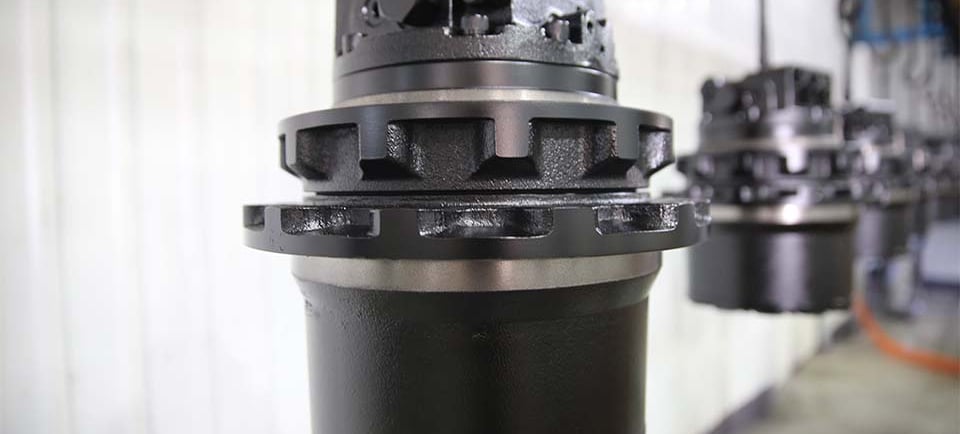
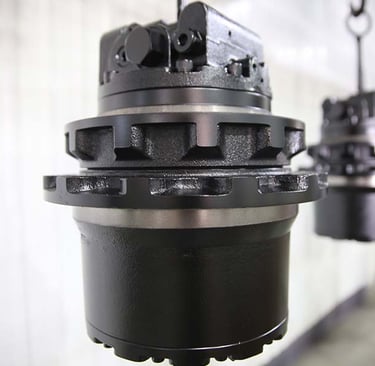
Travel motors usually get attention only after a problem appears. Slow movement. Oil leaks. Weak climbing power. Sudden failure on the job site. By that point, repair cost is higher and downtime is already painful. Now the industry is moving in a smarter direction. Sensor technology is entering travel motor systems and helping owners predict trouble before breakdown begins.
From a user perspective, predictive maintenance means fewer surprises. Instead of waiting for failure, operators and fleet managers can monitor warning signs early. Temperature rise. Pressure changes. Vibration increase. Speed inconsistency. These small signals often appear long before major damage happens.
Smart sensors can track operating temperature in real time. Excess heat is one of the clearest warnings inside a travel motor system. It may suggest internal friction, restricted hydraulic flow, poor lubrication, overload, or wear. Catching unusual temperature trends early can prevent damage to seals, bearings, and gears.
Pressure monitoring is another valuable tool. Travel motors depend on stable hydraulic pressure to perform correctly. If pressure drops or fluctuates abnormally, movement becomes weak or inconsistent. Sensors help identify these changes faster than waiting for visible symptoms in the field.
Vibration monitoring adds another layer of protection. Worn bearings, gear damage, loose components, or alignment issues often create vibration before failure becomes obvious. A machine may still move, but internal wear is already progressing. Early alerts help schedule repair before a costly shutdown.
Speed and travel response data can also be measured. If one side of the machine responds slower than the other, a developing issue may exist in the motor, final drive, brake release system, or hydraulic circuit. Comparing left and right travel data gives useful diagnostic insight.
For fleet owners, this technology supports better planning. Instead of emergency repair during peak workload, maintenance can be scheduled during lower-demand periods. Parts can be prepared in advance. Labor can be organized. Downtime becomes controlled rather than chaotic.
From a cost perspective, predictive maintenance often saves more than it costs. One failed travel motor can create repair expense, transport cost, rental replacement cost, and lost production time. Preventing even one major failure may justify sensor investment quickly.
Users also gain longer component life. When overheating, contamination, overload, or imbalance is corrected early, gears, seals, bearings, and hydraulic surfaces last longer. Better maintenance timing protects the entire system.
However, technology works best when combined with quality hardware. Even the smartest sensor cannot fix a low-grade travel motor. Strong materials, precision machining, reliable seals, and correct hydraulic tolerances remain essential. Sensors provide insight, but quality parts deliver durability.
The future of heavy equipment maintenance is moving from reactive to predictive. Smarter machines. Better data. Less downtime. More productivity.
For excavators, compact track loaders, and crawler machines, travel motor monitoring will likely become more common each year. Owners who adapt early may gain real operational advantages.
If you are planning upgrades, replacing travel motors, or improving fleet reliability, now is a smart time to explore dependable solutions and quality components. Feel free to reach out if you need more details or have any questions!
GHS Motors
Focus on aftermarket travel motors and swing motors of construction machinery.
Get a quick quote
Customer service
© 2024. All rights reserved.
Powered by GlobalHydraulicSystem.com
Asset of Quanzhou Fulian Machinery Equipment Manufacturing Co., Ltd.
Order direct talk