
Travel Motor Slow Movement Diagnosis Tips for Faster Field Troubleshooting
A machine that moves slowly can ruin an entire workday. Loading stops. Digging slows down. Operators get frustrated. Schedules fall behind.
TIPS
4/12/20262 min read
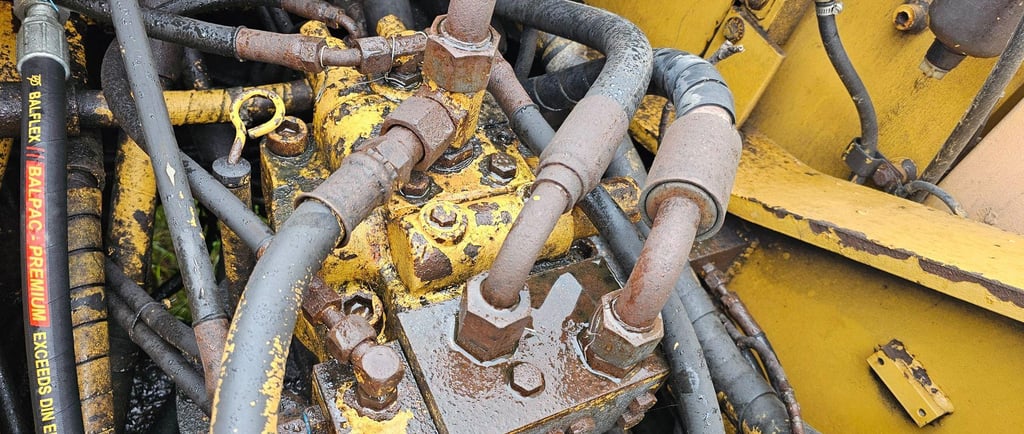
A machine that moves slowly can ruin an entire workday. Loading stops. Digging slows down. Operators get frustrated. Schedules fall behind. In many crawler machines, excavators, and compact track loaders, slow travel movement often points to the travel motor system. The good news is that early diagnosis in the field can save time, money, and prevent larger failures.
From a user perspective, slow movement usually appears in clear ways. The machine crawls instead of travels normally. One side feels weaker than the other. Turning becomes sluggish. Climbing power drops. These symptoms should never be ignored. They often begin small and become expensive later.
Start with the simplest check first. Compare left and right travel performance. If only one side is slow, focus on that side’s travel motor, hoses, final drive, brake release system, or control valve flow. If both sides are slow, the issue may involve hydraulic pump output, low engine power, low hydraulic oil level, or system-wide pressure loss.
Hydraulic oil condition matters more than many operators realize. Low oil can cause cavitation and weak flow. Dirty oil can restrict components and increase internal wear. Wrong oil grade may reduce efficiency when hot or cold. Always inspect oil level, oil cleanliness, and service history early in the diagnosis process.
Listen to the machine. Noise gives clues. Whining may indicate restriction or aeration. Grinding may point to gear damage or bearing wear. Clicking under load may suggest internal component failure. Strange sounds during travel should be investigated immediately.
Track condition also affects movement speed. Over-tight tracks create heavy rolling resistance and force the travel motor to work harder. Packed mud, frozen debris, damaged rollers, or seized idlers can slow travel even when the motor itself is healthy. Always inspect the undercarriage before blaming the hydraulic system.
Temperature checks are useful in the field. If one travel motor becomes much hotter than the other after similar operation, internal drag or leakage may exist. Infrared thermometers make this fast and practical. Heat often reveals trouble before complete failure happens.
Control inputs should be checked as well. Weak pilot pressure, sticky travel pedals, damaged sensors, or linkage issues can reduce command signals to the system. Sometimes the motor is fine, but the machine is not asking it to perform correctly.
If movement becomes slower after warming up, internal wear may be increasing leakage inside the motor. Cold oil can temporarily hide worn components. Once oil thins with heat, power loss becomes more obvious. This is a common warning sign.
When replacement is necessary, quality parts make a difference. Precision travel motors, durable gears, reliable seals, and correct hydraulic tolerances improve performance and service life. Cheap replacements often cost more through repeat downtime.
From a business standpoint, fast troubleshooting means less lost production. A short inspection today can prevent a stopped machine tomorrow.
Slow travel is a symptom, not the final problem. Diagnose early, repair smart, and keep the machine productive.
If your equipment shows weak travel speed, one-side slowdown, or unusual noise, now is the right time to inspect the system. Feel free to reach out if you need more details or have any questions!
GHS Motors
Focus on aftermarket travel motors and swing motors of construction machinery.
Get a quick quote
Customer service
© 2024. All rights reserved.
Powered by GlobalHydraulicSystem.com
Asset of Quanzhou Fulian Machinery Equipment Manufacturing Co., Ltd.
Order direct talk