
Travel Motor Temperature Check Tips to Catch Overheating Before Major Failure Starts
Travel motor failure rarely starts with a dramatic warning. In many cases, the first sign is heat. Slightly hotter housing. Slower response. Reduced power on one side.
TIPS
4/5/20262 min read
Travel motor failure rarely starts with a dramatic warning. In many cases, the first sign is heat. Slightly hotter housing. Slower response. Reduced power on one side. Then one day the machine stops moving correctly and repair costs become painful. For excavators, compact track loaders, and crawler machines, regular temperature checks are one of the smartest ways to catch problems early.
From a user perspective, overheating usually means something inside the system is working harder than it should. Excess friction, restricted oil flow, internal wear, contamination, or overload can all raise travel motor temperature. Ignoring that heat often leads to damaged seals, worn bearings, weakened hydraulic components, or complete motor failure.
One simple habit is comparing left and right travel motors after similar operation. If one side feels noticeably hotter than the other, it deserves attention. Machines working under equal load should usually show similar temperatures. A clear difference can point to internal drag, brake release issues, hose restriction, or developing wear.
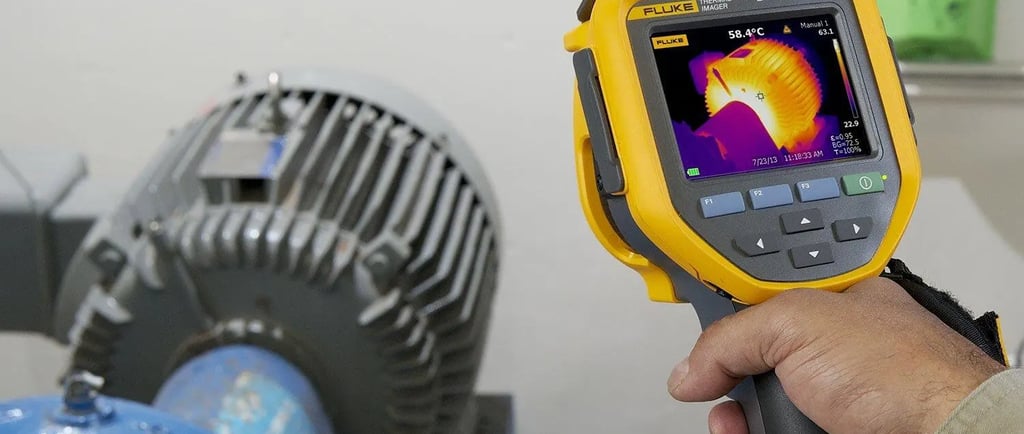
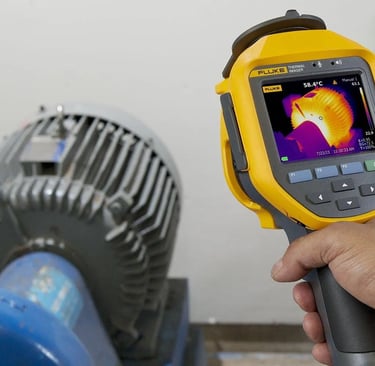
Use the right checking method. Infrared temperature guns are fast and practical. Measure similar points on both motors after operating the machine. Record readings over time. Trend changes matter more than one single number. If a motor keeps running hotter than normal week after week, investigate before failure grows.
Pay attention to performance symptoms that come with heat. Slower travel speed. Jerky movement. Weak climbing power. Burning oil smell. Noise during turning. One track lagging behind the other. These signs often appear together when a travel motor is under stress.
Hydraulic oil condition plays a major role in motor temperature. Dirty oil increases wear. Wrong viscosity affects lubrication and flow. Low oil level can introduce aeration and poor cooling. Regular oil checks and timely filter replacement help protect both motor efficiency and operating temperature.
Track tension should also be inspected. Over-tight tracks force the travel motor to work harder every minute the machine moves. This extra load creates unnecessary heat and shortens component life. Proper track adjustment improves movement and reduces stress.
External conditions matter too. Packed mud around the final drive area can trap heat. Debris may also damage seals or restrict inspection access. Keeping the undercarriage clean helps cooling and makes leaks easier to spot early.
Do not forget operating habits. Long uphill travel, aggressive turning on high-grip surfaces, or continuous pushing under heavy load can increase heat quickly. Short cool-down pauses during extreme work can help protect the system.
When replacement becomes necessary, quality matters. Precision-built travel motors, reliable seals, strong gears, and correct hydraulic tolerances improve durability and temperature control. Cheap low-grade units may fail early and create repeat downtime.
From a business standpoint, early temperature checks save money. A small inspection today can prevent a major rebuild tomorrow. Less downtime means more productivity and better equipment return.
Heat is often the first warning your travel motor gives. Listening early is cheaper than repairing late.
If your machine shows rising temperatures, weak travel, or uneven movement, now is the right time to inspect the system. Feel free to reach out if you need more details or have any questions!
GHS Motors
Focus on aftermarket travel motors and swing motors of construction machinery.
Get a quick quote
Customer service
© 2024. All rights reserved.
Powered by GlobalHydraulicSystem.com
Asset of Quanzhou Fulian Machinery Equipment Manufacturing Co., Ltd.
Order direct talk