
Understanding Final Drive in Excavators and Why It Matters for Machine Performance
Every excavator relies on a critical component that many operators rarely see but use every day. The final drive. It sits at the end of the power transmission system. It turns engine power into track movement. Without it, the machine does not move.
TIPS
3/8/20262 min read
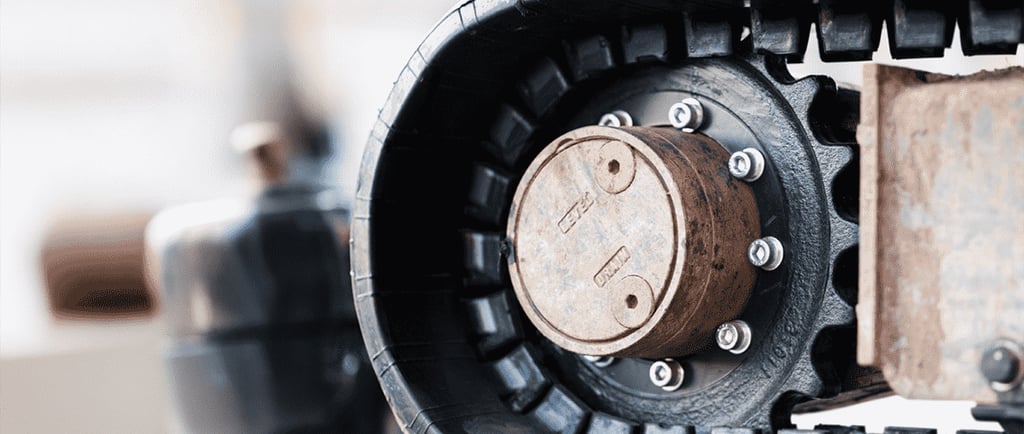
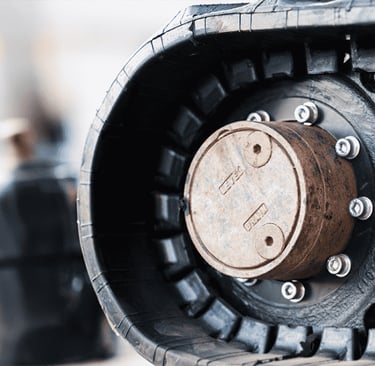
Every excavator relies on a critical component that many operators rarely see but use every day. The final drive. It sits at the end of the power transmission system. It turns engine power into track movement. Without it, the machine does not move.
A final drive combines hydraulic motor power with a gear reduction system. The hydraulic motor generates rotation. The planetary gears reduce speed and increase torque. This combination delivers strong driving force to the sprocket. The sprocket then moves the track chain. Simple structure. Powerful result. High torque output allows excavators to travel, climb slopes, and push through heavy ground conditions.
From an operator perspective, final drive performance directly affects machine efficiency. Smooth travel. Stable turning. Consistent power delivery. When the final drive works correctly, the excavator moves without vibration or noise. Work becomes easier. Fuel efficiency improves. Jobsite productivity increases.
Internal components play key roles. Planetary gears distribute load evenly. Bearings support rotation under high pressure. Seals protect internal oil from contamination. Gear oil lubricates moving parts and reduces heat. Each component must work together precisely. Any failure inside the system leads to performance loss.
Common problems often start with contamination or lubrication failure. Dirty oil damages gears and bearings. Worn seals allow leakage and dust entry. Low oil levels increase friction and heat. Operators may notice slow travel speed, unusual noise, or reduced pulling force. Early detection helps prevent major breakdown.
Routine inspection is essential. Check for oil leaks around the final drive housing. Monitor travel performance during operation. Listen for abnormal sounds. Regular oil replacement helps maintain internal lubrication quality. Clean oil protects gears and extends service life.
Working conditions also influence final drive durability. Mud, sand, and water create harsh environments. Heavy loads increase stress on gear systems. Proper maintenance becomes even more important under these conditions. Cleaning around the sprocket area prevents debris from entering seals.
High quality final drives offer clear advantages. Strong gear materials. Precision machining. Reliable sealing systems. Stable hydraulic motor performance. These features ensure consistent torque output and long service life. Durable components reduce downtime and maintenance cost.
Compatibility and supply availability also matter. Contractors need replacement final drives that match machine models accurately. Fast delivery reduces machine downtime. Reliable technical support ensures correct installation and operation.
In conclusion, the final drive is a key component that controls excavator movement and overall performance. Understanding its function and maintaining it properly helps reduce failure risk and improve efficiency. If you are looking for durable final drives or replacement parts, send your machine model and request a quotation. Reliable supply and strong product quality help keep your equipment moving with confidence.
GHS Motors
Focus on aftermarket travel motors and swing motors of construction machinery.
Get a quick quote
Customer service
© 2024. All rights reserved.
Powered by GlobalHydraulicSystem.com
Asset of Quanzhou Fulian Machinery Equipment Manufacturing Co., Ltd.
Order direct talk