
Understanding Ports on Final Drive Motors Hydraulic Connections Explained
In heavy construction equipment, the final drive motor is responsible for converting hydraulic power into mechanical torque.
INDUSTRY NEWS
6/15/20262 min read
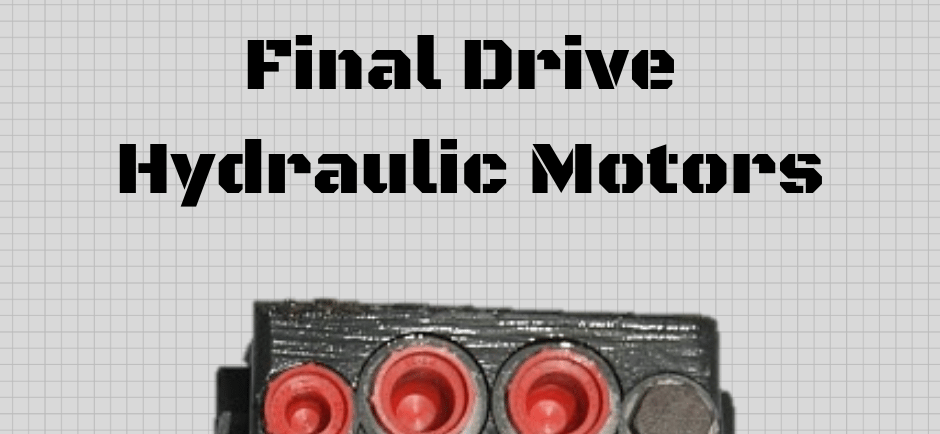
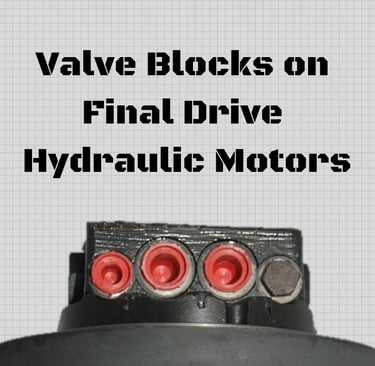
In heavy construction equipment, the final drive motor is responsible for converting hydraulic power into mechanical torque. It allows excavators and tracked machines to move with strength and control. However, many operators overlook one critical part of the system—the hydraulic ports. These ports determine how oil flows into, out of, and through the motor. Incorrect connection or misunderstanding of these ports can lead to serious performance issues or even component failure.
Each final drive motor typically includes several key ports. The main hydraulic ports, often labeled A and B, are responsible for directional movement. When hydraulic oil flows into port A, the machine moves in one direction. When the flow reverses into port B, the machine changes direction. This simple flow control is what enables forward and reverse travel in excavators and other tracked equipment.
Another important connection is the case drain port. This port is designed to release internal leakage oil back to the hydraulic tank. Even in a well-designed motor, a small amount of internal leakage is normal due to pressure and lubrication requirements. The case drain ensures that this oil does not build up inside the motor housing. If this line is blocked or restricted, pressure increases internally and can cause seal damage, overheating, and long-term failure.
Some final drive systems also include brake release ports. These are used to control the internal parking brake mechanism. When hydraulic pressure is applied, the brake is released and the motor can rotate freely. When pressure drops, the brake engages automatically, helping prevent unintended machine movement. This feature is especially important when working on slopes or during machine shutdown.
In more advanced systems, additional ports may be used for speed control or secondary functions. These allow operators to adjust travel performance based on load conditions or working environments. For example, slower speeds may be used for precise digging, while higher flow allows faster travel between job sites.
Understanding port function is not only important for installation but also for troubleshooting. Many final drive failures are not caused by internal damage but by incorrect hose connection or blocked hydraulic lines. Symptoms such as weak torque, slow movement, overheating, or one-sided travel often trace back to port-related issues rather than full motor failure.
Proper identification of hydraulic ports also helps during maintenance and replacement. Each port must be connected according to system design to ensure balanced pressure and smooth operation. Even small mistakes in hose routing can result in performance loss or damage to the hydraulic system.
From a practical perspective, clean hydraulic flow and correct port usage directly affect machine efficiency. When oil flows properly through A and B ports, case drain remains unrestricted, and brake systems function correctly, the final drive performs at its full capacity. This leads to smoother travel, better control, and longer service life.
In real job site conditions, reliability is everything. Operators depend on consistent movement and predictable response. A properly connected final drive motor ensures that the machine responds accurately under load, even in harsh environments such as mud, gravel, or steep terrain.
As equipment becomes more advanced, understanding hydraulic port functions is no longer just technical knowledge—it is essential for reducing downtime and improving operational safety.
If you are selecting or replacing a final drive motor, always ensure correct port configuration and compatibility with your machine system. Proper setup helps avoid costly mistakes and ensures long-term performance.
GHS Motors
Focus on aftermarket travel motors and swing motors of construction machinery.
Get a quick quote
Customer service
© 2024. All rights reserved.
Powered by GlobalHydraulicSystem.com
Asset of Quanzhou Fulian Machinery Equipment Manufacturing Co., Ltd.
Order direct talk